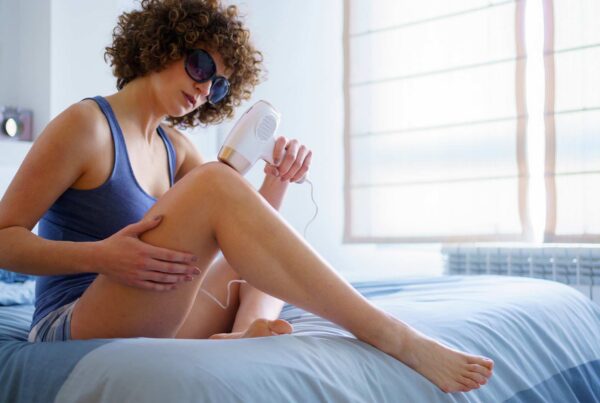

The most effective folliculitis treatment for recurring cases is permanent hair removal that breaks the infection-and-regrowth cycle.
Antibiotics and topical creams clear each outbreak, then the bumps return when the hair grows back. If you have been dealing with folliculitis that keeps coming back, understanding the root cause changes how you approach folliculitis treatment.
What Is Folliculitis?
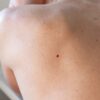
Folliculitis is inflammation of one or more hair follicles, most commonly caused by Staphylococcus aureus bacteria that get trapped in the warm, occluded space around the hair shaft. It appears as small red bumps or white-headed pimples, often with itching or tenderness. The bumps can appear anywhere hair grows, and face, neck, chest, back, thighs, and buttocks are the most common areas.
Several factors make follicular infection more likely. Friction and occlusion from tight clothing, athletic gear, or prosthetic devices press hair into the skin, trapping bacteria and sweat against the follicle. Shaving damages the follicle opening and can push bacteria beneath the surface. Shaving against the direction of growth, using dull blades, or shaving too closely all increase the risk. People with curly hair or hair that grows in multiple directions (cowlicks and whorls) are particularly susceptible because the hair curves back into the skin after cutting. Hormonal conditions like PCOS or hirsutism increase hair density, creating more follicles at risk. Other causes include fungal infections (Malassezia yeast), contaminated water (hot tub folliculitis from Pseudomonas), and immune suppression.
Mild cases may look like a patchy rash and resolve on their own within a week or two. Deeper infections cause painful, pus-filled bumps that can leave scars. When bacteria colonise the hair follicle repeatedly, the tissue becomes vulnerable to complications including cellulitis, boils, and permanent scarring. Chronic folliculitis can also lead to post-inflammatory hyperpigmentation, with darker patches of skin where repeated infection has damaged the tissue.
What we see in the clinic: Many of our clients with recurring folliculitis have been cycling through antibiotics and topical creams for months or years. The pattern is predictable: the medication clears the infection, the hair grows back, and bacteria colonise the follicle again. The issue is not that the treatment fails. The issue is that the hair keeps providing a new home for infection. Clients with prosthetic devices, athletes who wear compression gear, and people who shave regularly tend to have the most persistent cases because the friction and hair regrowth don’t let up in daily life.
Want more articles like this? Get notified when they’re published. Subscribe to receive occasional eNews updates from Jade Clinics. Subscribe Now
Folliculitis vs Ingrown Hairs: What Is the Difference?
Folliculitis spreads across large areas of skin while ingrown hairs are localised to individual follicles, and this difference in scale changes how each condition is treated.
Folliculitis typically covers the chest, back, neck, face, and buttocks, areas where friction, moisture, or bacterial exposure is widespread. The infection involves many follicles at once, often producing clusters of red bumps across a broad zone. Shaving can worsen folliculitis, particularly when hair grows in different directions, making a clean shave without skin irritation difficult.
Ingrown hairs are usually localised to individual follicles. A single hair curls back into the skin instead of growing outward, causing a bump that can become inflamed or infected. Ingrown hairs tend to appear in smaller numbers and in specific spots rather than across large areas.
The key distinction: once a hair grows as an ingrown hair, it will continue to do so because the growth pattern is set. The most effective long-term solution is eliminating that hair permanently, which prevents regrowth entirely. For folliculitis, the same principle applies on a larger scale. Removing the hair removes the surface where bacteria accumulate.
”Jade does excellent work! I've been coming to this location for years, first to deal with little hairs here and there, and then to clear an area where I continually had ingrown hairs. It took time, but they explained the process and the end results are with every penny.
Ps HOctober 2024
What Does Standard Folliculitis Treatment Look Like?
Standard folliculitis treatment focuses on clearing the active infection and reducing irritation. Mild cases often resolve within two weeks with basic self-care: warm compresses, gentle cleansing, and avoiding shaving or friction on the affected area.
For bacterial folliculitis, topical antibiotics like mupirocin or clindamycin are the first-line medical treatment. Persistent or widespread cases may require oral antibiotics. Fungal folliculitis needs antifungal medication instead.
These treatments address the infection itself. They do not change the underlying conditions that allow folliculitis to recur:
- The hair is still there, trapping bacteria against the follicle
- Friction from clothing, movement, or prosthetics continues
- Shaving creates new entry points for bacteria with every pass
For people with occasional, mild folliculitis, standard treatment is usually sufficient. For chronic or recurring folliculitis, especially in friction-prone areas, the limitation is that each episode is treated individually without preventing the next one. Understanding the full range of hair removal methods helps clarify why addressing the hair itself is the most direct path to lasting relief.
Jennifer’s insight: If you have recurring folliculitis and you remove the hair permanently, the folliculitis goes with it. Electrolysis is the only method that removes hair permanently, which makes it the only treatment that addresses the root cause for chronic cases.
Can Permanent Hair Removal Stop Folliculitis?
Removing the hair permanently is the best form of folliculitis treatment, as it eliminates the surface where bacteria get trapped and breaks the cycle of infection, regrowth, and reinfection. When there is no hair in the follicle, bacteria have no structure to colonise, and friction against the skin no longer pushes contaminated hair into the follicular opening.
Electrolysis works by creating a barrier between the blood supply and the hair seed, which prevents the follicle from producing new hair. It is recognised as the only method for permanent hair removal. Laser hair removal reduces hair growth significantly and has been recommended for recurring folliculitis, yet it achieves permanent hair reduction, not permanent removal. For chronic folliculitis, this distinction matters: even reduced hair can sustain the infection cycle in high-friction areas.
The decision between electrolysis and laser hair removal depends on the severity and location of the folliculitis, hair type, and skin type. Electrolysis works on all hair colours and skin tones, while laser hair removal is most effective on dark hair with lighter skin. For people whose folliculitis treatment has been limited to managing each episode, the differences between electrolysis and laser hair removal are worth understanding before choosing a permanent solution.
What we see in the clinic: A patient who lost his foot in a workplace accident developed folliculitis where his prosthetic met the skin of his calf. The constant friction trapped bacteria against the hair follicles, and the infection progressed until the lower leg required amputation. When folliculitis developed again on his thigh from a new prosthetic, this time progressing toward gangrene, hair removal on the thigh area stopped the infection cycle and saved his remaining leg. Cases like this illustrate how persistent folliculitis in friction-prone areas can escalate far beyond a skin irritation when the root cause is not addressed.
Most cases of folliculitis do not reach this severity. Chronic cases in high-friction areas still carry real risks that standard folliculitis treatment alone does not resolve. Another client with severe facial folliculitis had open wounds from infected follicles that repeatedly returned. After hair removal in the affected area, the infections cleared and the skin remained intact through three treatment cycles. For chronic cases, knowing how to get rid of folliculitis for good comes down to addressing the hair, not just the infection.
Next Step
If folliculitis keeps coming back, we can talk through whether permanent hair removal is the right path for your situation. Book a free consultation at the location closest to you.
Common Questions About Folliculitis Treatment
Is Folliculitis Contagious?
Folliculitis itself is not typically contagious through casual contact. The bacteria that cause it (Staphylococcus aureus) can spread through shared towels, razors, or contaminated surfaces, so using your own towels and avoiding shared razors reduces the risk. Hot tub folliculitis (Pseudomonas) comes from contaminated water, not person-to-person contact.
Can Folliculitis Go Away on Its Own?
Mild folliculitis often clears within one to two weeks without treatment. Warm compresses and gentle cleansing help speed recovery. If the bumps persist beyond two weeks, spread to new areas, or become painful and pus-filled, medical treatment is needed. Recurring folliculitis rarely resolves permanently without addressing the underlying cause.
Does Shaving Cause Folliculitis?
Shaving is one of the most common triggers for folliculitis. It damages the follicle opening, pushes bacteria beneath the skin, and creates conditions for ingrown hairs that become infected. Shaving against the grain, using dull blades, or shaving too closely all increase the risk. Switching to an electric trimmer or avoiding shaving in affected areas can reduce episodes, though it does not eliminate them if the hair itself is the root issue.
How Long Does Folliculitis Take to Heal?
Most mild cases heal within 7 to 14 days with proper care. Deeper infections may take several weeks and require antibiotics. Chronic folliculitis can persist for months or cycle through repeated episodes if the underlying triggers, including friction, shaving, and hair density, remain unchanged.
Can Electrolysis Help With Folliculitis?
Electrolysis removes the hair permanently by creating a barrier between the blood supply and the hair seed. Without hair in the follicle, bacteria have no structure to colonise and the infection cycle stops. For chronic or recurring folliculitis treatment, particularly in friction-prone areas, electrolysis addresses the root cause rather than treating each episode individually.
Sources:
- NCBI: Folliculitis – StatPearls – Staphylococcus aureus as the most common causative organism in folliculitis; pathophysiology of follicular infection; complications including cellulitis
- Mayo Clinic: Folliculitis – Symptoms & Causes – Complications of folliculitis including cellulitis, boils, and permanent scarring
- HealthLink BC: Folliculitis – Self-care for mild folliculitis; recommendation of hair removal for recurring cases
- HealthLink BC: Electrolysis for Removing Hair – Electrolysis as a recognised method for permanent hair removal