
For anything deeper than surface tone, RF microneedling is the stronger choice over a chemical peel. It rebuilds collagen inside the dermis, while a peel only resurfaces what you can already see.
If you are weighing microneedling vs chemical peels, the choice is between two opposite ways of changing your skin: a peel injures the surface on purpose so healing reveals fresher skin, while RF microneedling puts your own collagen to work rebuilding it. That difference determines what each treatment can fix, how much downtime to expect, the risks, and how long results last.
How Chemical Peels Work
A chemical peel removes damaged surface skin with an acid solution. The acid dissolves the outer layers, the treated skin flakes away over the following days, and fresher skin takes its place. How much changes depends on how deep the acid goes, which is why the three peel depths matter more than any product name.
Jennifer’s insight: Why would someone use acid on their face? The outcome is not worth the downside.
How RF Microneedling Works
RF microneedling rebuilds skin from the inside out. Ultra-fine needles enter the dermis and release controlled radiofrequency heat, tightening the collagen you have and signalling your skin to build new collagen and elastin in the layer where wrinkles, firmness, scars, and stretched skin change. Where a peel subtracts tissue, RF microneedling adds structure.
The RF in that name matters: traditional microneedling uses needles alone, so its results stay surface-level, and the differences in microneedling vs RF microneedling show up in depth control, downtime, and outcomes. When we say microneedling at Jade Clinics, we mean RF microneedling, delivered with Secret RF by Cutera, a platform that adjusts needle depth and energy for each client’s skin and goals.
Want more articles like this? Get notified and learn more about hair removal and beautiful skin. Subscribe to receive occasional eNews updates from Jade Clinics. Subscribe Now
Microneedling vs Chemical Peels by Skin Concern
RF microneedling treats wrinkles and loose skin, sun damage and dull texture, scars, and stretch marks. A peel works only at the surface, and scars, stretch marks, loose skin, and deeper wrinkles all start below that, so RF microneedling is the clear choice for them. What a peel can genuinely help with is what shows at the surface: fine lines, rough texture, and discolouration.
For wrinkles and skin tightening, the question is how deep the treatment works. A peel can soften fine surface lines and works no deeper than that; jowls, smile lines, and overall firmness come from collagen loss further down. In microneedling vs chemical peels for wrinkles, RF microneedling is the stronger choice because it remodels that deeper layer, with results that keep building for months.
For sun damage overall, RF microneedling is still the stronger treatment; a peel helps only with surface discolouration. A chemical peel for sun damage lifts damaged surface cells, so tone looks brighter quickly. RF microneedling improves sun spots, enlarged pores, and dull texture more gradually by renewing the skin underneath. Microneedling vs chemical peels for hyperpigmentation is the closest call: a peel fades surface discolouration faster on lighter skin, while RF microneedling does not target pigment at all, making it the safer route for darker skin tones.
Microneedling vs chemical peels for acne scars has a clear answer: RF microneedling remodels the scar tissue itself, with visible acne scar improvement measured after four sessions. Deeper or more complex scars typically take six to nine treatments. A medium chemical peel can soften shallow acne scarring and its leftover discolouration, and it cannot rebuild the collagen under a depressed scar.
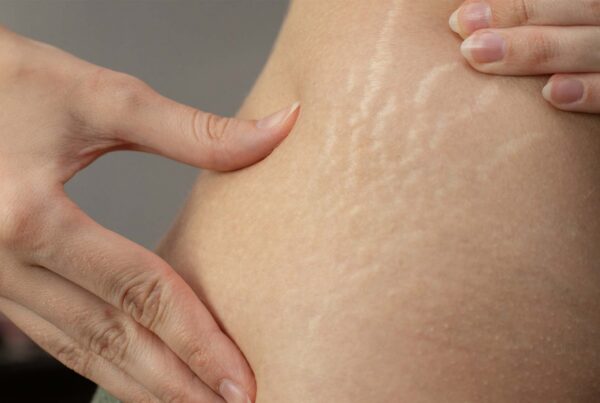
Stretch marks are the easiest decision. A chemical peel for stretch marks cannot reach the tears themselves: they sit in the deeper collagen and elastin network, well below where any peel works. RF microneedling for stretch marks treats that network directly: microneedling improves both early and mature stretch marks, with earlier marks responding best; improvement develops over a series of sessions.
What We See in the Clinic: Jennifer offered chemical peels in her own practice about 20 years ago and stopped offering them within months. Clients loved how the treatment felt; the results were not there. That gap between a pleasant experience and a real outcome is what prompted her to look into microneedling.
Light, Medium, and Deep Chemical Peels vs RF Microneedling
“Chemical peel” covers three different treatments. A light chemical peel freshens the surface, a medium chemical peel reaches the upper part of your skin’s middle layer, and a deep chemical peel is a full resurfacing with weeks of healing.
| Peel depth | What it can do | Recovery and repeatability | How RF microneedling compares |
|---|---|---|---|
| Light chemical peel | Fine surface lines, mild uneven tone, rough or dry skin | Days of redness and flaking; typically three to five peels, weeks apart | One session makes a difference, and each treatment builds results below the surface |
| Medium chemical peel | Age spots, moderate discolouration, shallow acne scarring, fine-to-moderate wrinkles | A week or more of downtime; repeatable every six to twelve months | Reaches deeper damage with same-day recovery |
| Deep chemical peel | The most dramatic surface change: deeper lines, extensive sun damage, deep acne scars | Up to eight weeks of pretreatment, then two to three weeks of healing; can be done only once on the face in a lifetime | Treats the same concerns progressively and stays repeatable |
The deeper the peel, the longer the commitment: healing from a deep peel runs 14 to 21 days, it requires pretreatment for up to eight weeks first, and it is a one-time-only treatment on the face. Even at full depth, a peel is a resurfacing tool: it cannot tighten loose skin or rebuild what sits under a scar or stretch mark.
Which Treatment Should You Choose?
Choose RF microneedling when your concern goes deeper than the surface: scars, stretch marks, skin laxity, and wrinkles with any depth to them. Choose a light chemical peel when your goal is short-term surface brightening and you are prepared to repeat it to keep the result.
An RF microneedling session takes about 20 minutes after numbing cream is applied. During treatment you feel mild heat and pressure, and sensitivity varies by person and area. Most clients return to normal activities the same day, with redness that typically settles within 4 hours. The first treatments are scheduled closer together, and after the initial series we usually recommend about three sessions a year. Microneedling results last several months per session and improve with each treatment.
”Love Jade clinics, Chelsea is amazing, very thorough and personable. I got microneedling but it felt like a Spa treatment with Chelsea. Great conversation too, she makes you feel welcome.
Mikkie N.March 2024
RF microneedling suits most skin tones because it does not target pigment; deeper peels carry discolouration risk on darker skin. If laser resurfacing is also on your shortlist, the choice between microneedling or laser follows the same inside-out logic: laser carries the downtime and the pigment risk.
Next Step
If you are still comparing microneedling vs chemical peels for your own skin, a free consultation is the fastest way to get an answer specific to you. Book at any Jade Clinics location that offers microneedling, and a practitioner will assess your skin and tell you what RF microneedling can and cannot do for it.
Common Questions About Microneedling vs Chemical Peels
Is Microneedling or a Chemical Peel Better for Acne Scars?
RF microneedling is the stronger choice for depressed acne scars. The needles deliver energy directly into the scar tissue to remodel it, and deeper scarring typically takes six to nine treatments. A medium chemical peel can soften the surface discolouration acne leaves behind, and it cannot rebuild collagen under the scar.
Is Microneedling or a Chemical Peel Better for Wrinkles?
For fine surface lines, a light or medium chemical peel can help temporarily. For wrinkles with depth, and for firmness in general, RF microneedling is the stronger choice because it rebuilds collagen in the layer where those lines form. Results keep improving for up to three months after the final session.
Should You Get a Chemical Peel or Microneedling First?
Match the treatment to the concern instead of planning both. If your concern is scars, stretch marks, or loose skin, RF microneedling does that work on its own. If you still want surface brightening afterwards, ask your practitioner about timing, because treated skin needs time to recover between procedures.
Which Costs More: Microneedling or a Chemical Peel?
Microneedling vs chemical peel cost depends on what each session delivers. A light peel usually costs less per visit and must be repeated every few weeks to hold its effect, while RF microneedling is priced across a short treatment plan that delivers structural change. Exact pricing is case-by-case, varies with the area treated and your skin’s condition, and is confirmed at your free consultation.
Sources:
- PubMed Central: Efficacy and safety of microneedling radiofrequency in acne scars – visible acne scar improvement after four RF microneedling sessions.
- Aesthetic Surgery Journal: Comparative Study to Evaluate the Safety and Efficacy of Microneedling as a Stand-Alone Treatment for Striae Rubrae and Albae – microneedling improves both early and mature stretch marks, with early marks responding best.
- Cleveland Clinic: Chemical Peels – what each peel depth treats, the up-to-eight-week pretreatment and 14 to 21 day healing for a deep peel, and its one-time limit on the face.