
Electrolysis is the only permanent hair removal method recognized by the FDA, yet it remains one of the most misunderstood treatments in hair removal. Common electrolysis myths about pain, permanence, and how the treatment works keep people from a method that could solve their problem for good.
Myth #1: Laser Hair Removal Is Just as Good as Electrolysis
This is the electrolysis myth we hear most often. Electrolysis provides permanent hair removal. Laser hair removal provides long-term hair reduction. In some cases, laser can trigger additional hair growth, a side effect called paradoxical hypertrichosis.
Laser hair removal also works best on light skin with dark hair. Electrolysis works on all skin tones, all hair colours, and all body areas.
What we see in the clinic: We regularly see clients who switched from laser hair removal after noticing more growth instead of less. Electrolysis addresses what laser leaves behind.
Myth #2: Electrolysis Isn’t Permanent
It is, when done correctly. Electrolysis is recognized as the only permanent hair removal method and has been in clinical use for over a century. It works by creating a barrier between the blood supply and the hair seed, stopping the follicle from producing new hair.
The caveat: results depend on the skill of your Electrologist. Inaccurate insertions or insufficient current can leave follicles partially treated, leading to regrowth. That’s not a failure of electrolysis. It’s a failure of technique.
Jennifer’s insight: Be patient, trust the process and follow the plan. Trust your Electrologist, and give yourself grace. Keep your eyes on the prize!
Myth #3: Electrolysis Is a One-Off Treatment
Hair grows in cycles, so not all hairs are visible at the same time. Several appointments are needed to treat hairs as they become visible. A treatment plan for one area takes about 6 to 18 months.
Coarse hair grows back every 6 to 8 weeks and can be cleared in about 6 months. Fine hair grows back every 12 to 14 weeks and can take up to 18 months. Some hairs are permanently removed after each session. Face appointments are every 2 to 3 weeks to limit the amount treated and skin recovery after each session; body appointments are every 6 to 8 weeks.
It’s not a single appointment, and unlike methods that require indefinite maintenance, electrolysis has a clear endpoint.
What we see in the clinic: One client had been getting electrolysis at other clinics for 50 years: 15-minute appointments, inconsistent scheduling, different practitioners. She was convinced her hair was the problem. After starting with us, consistent one-hour sessions with proper technique had her done within six months. It was never the hair. It was the approach.
Myth #4: Electrolysis Is Very Painful
Does electrolysis hurt? It involves a brief sensation at each follicle. Most clients describe it as a quick pinch or mild heat. The treatment is safe and well-established. While some areas are more sensitive than others, most clients find electrolysis far less painful than they expected.
Technique plays a role here too. If you feel the hair being plucked rather than sliding out, that is not a normal part of the process. Topical numbing cream reduces sensation, and local anaesthetic is available for clients who are especially sensitive.
Myth #5: Electrolysis Only Works on Small Areas
Electrolysis works on every body area: face, legs, back, stomach, bikini line, underarms, chest, and more. The treatment targets individual follicles regardless of the area’s size, and results are the same.
The misconception comes from treatment pace. Each follicle is treated one at a time, and generally, larger areas require more time. Permanent hair removal works the same way whether you’re treating a small chin patch or a full back.
Myth #6: At-Home Devices Work Just as Well
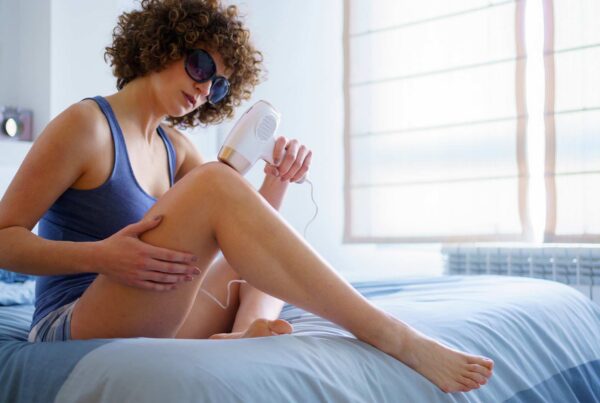
At-home devices are marketed with “electrolysis-like” language. This is one of the more misleading electrolysis myths. These devices are not strong enough to generate permanent results.
Professional electrolysis equipment has the power to create a barrier between the blood supply and the hair seed. At-home versions lack the intensity to do this.
When comparing hair removal methods, the lack of sufficient power and proper technique are the reasons at-home devices cannot match professional electrolysis results.
”I have been going to Jade Electrolysis in Abbotsford for about five months to remove unwanted hair. I had tried laser hair removal and it didn’t work. I have learned that electrolysis is the only permanent hair removal and am so pleased with the results! I highly recommend this location and Janine for all hair unwanted removal - she is quick and very experienced!
Sarah B.January 2018
Next Step
Now that these electrolysis myths are cleared up, a free consultation at any of our locations is the best place to start. We’ll assess your hair, skin, and goals to build a treatment plan that works.
Common Questions About Electrolysis Myths
Does Electrolysis Hurt?
Most clients feel a quick pinch or mild warmth, which varies by area. Topical numbing cream is applied before treatment, and local anaesthetic is available for sensitive areas. Discomfort typically decreases over time as hair becomes finer.
Is Electrolysis Permanent?
Yes. Electrolysis is the only hair removal method recognized by the FDA for permanent results. Once a follicle is properly treated, it stops producing hair.
How Long Does Electrolysis Take?
A treatment plan for one area takes about 6 to 18 months: coarse hair can be cleared in about 6 months, while fine hair can take up to 18 months. Individual sessions last 15 minutes to hours, depending on the area and hair density. Appointment consistency also affects the plan. Your Electrologist estimates the time after assessing your hair and skin.
Electrolysis vs Laser: Which Is Better?
They serve different purposes. Electrolysis provides permanent hair removal and works on all skin tones and hair colours, while laser hair removal provides long-term reduction and works best on light skin with dark hair. For permanent results, electrolysis is the only option. If you’re weighing both, the key differences between electrolysis and laser hair removalcome down to permanence, skin compatibility, and cost.
Sources:
- PubMed: Paradoxical Hypertrichosis Associated with Laser and Light Therapy for Hair Removal – 3% pooled prevalence of paradoxical hypertrichosis from laser hair removal (systematic review and meta-analysis, 2021)
- PMC: Comparison of Permanent Hair Removal Procedures before Gender-Affirming Vaginoplasty – FDA clearance of electrolysis devices for “permanent hair removal” vs laser devices for “permanent hair reduction” (peer-reviewed, 2022)
- Cleveland Clinic: Electrolysis – Electrolysis safety profile and FDA recognition for permanent hair removal (academic medical centre)