If you’re exploring PCOS facial hair removal options, you’re not alone. And you’re not out of options. Temporary methods like shaving can help you get through the week. For permanent results, electrolysis is the option we see make the biggest difference, even when hormones are the underlying reason the hair showed up.
Electrolysis creates a barrier between the blood supply and the hair seed, so hair can’t regrow even when hormones continue to be excessive.
What’s Happening (and Why It’s Not Your Fault)
PCOS (polycystic ovary syndrome) affects an estimated 10–13% of reproductive-aged women. One of the most visible symptoms is hirsutism.
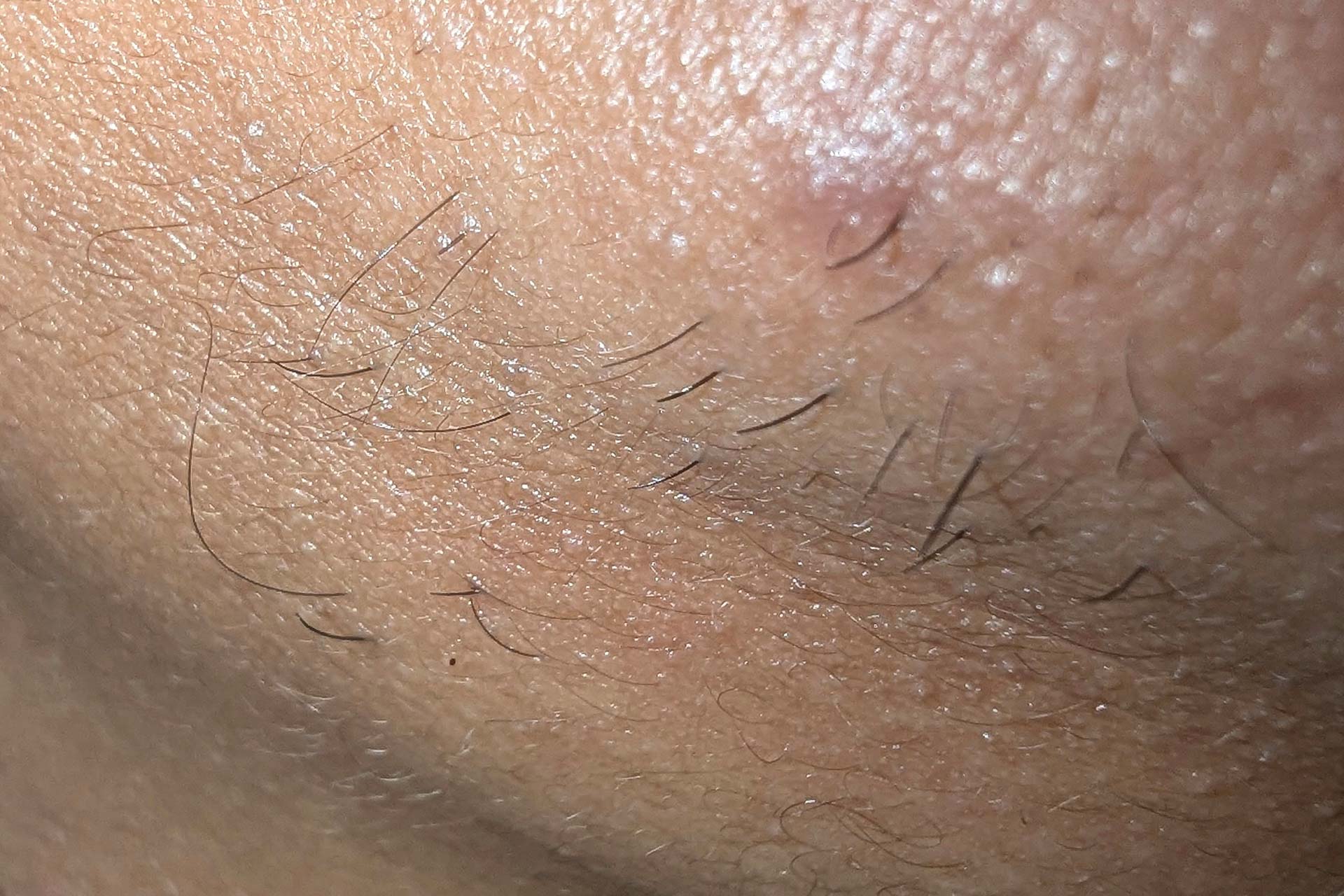
Hirsutism is the medical term for thick, dark hair growing in areas where women typically have fine or no visible hair: the chin, upper lip, jawline, and neck. When PCOS is the cause, elevated androgens stimulate hair follicles to produce thicker, coarser strands. This kind of growth is estimated to affect 70–80% of women with PCOS (compared to only 4–11% in the general population), making it one of the most common and visible symptoms of the condition.
Many women don’t realize they might have PCOS without knowing it. Up to 70% of women with PCOS worldwide remain undiagnosed. If you’re noticing increased facial hair and wondering why, it’s worth talking to your doctor.
Jennifer’s insight: I had PCOS myself. It’s actually what motivated me to start Jade Clinics. I understand firsthand how distressing unwanted facial hair can be, and how isolating it feels when you think you’re the only one dealing with it. You’re not alone, and there are options. For a lot of women, the hair shows up before they have a diagnosis, which can make the whole experience confusing and isolating.
PCOS Facial Hair Removal Options: Short-Term vs Long-Term
There are two different goals people mix together:
- Short-term control: make the hair less visible right now.
- Long-term change: reduce how much hair grows, and permanently remove specific hairs.
Short-term options that can be totally reasonable while you figure out next steps:
- Shaving: fast, cheap, and (despite the myth) it doesn’t make hair grow back thicker — stubble can just feel thicker.
- Depilatory creams: effective for some, though skin sensitivity and irritation are common.
- Colour-correcting + makeup: helpful for shadow on the upper lip/chin, especially while you’re mid-treatment.
Options that can backfire for PCOS facial hair removal when they become the main strategy:
- Tweezing and waxing: they can keep you stuck in a daily “hunt for hairs” cycle. They may also increase irritation, ingrown and dark marks from inflammation.
- Threading: for hormonally driven facial hair, it often turns into another frequent, high-maintenance routine with potential side effects like skin irritation and ingrown hairs.
- Laser: for those with PCOS, it is more likely for laser to cause more hair growth. The condition is called paradoxical hypertrichosis. Research on facial laser hair removal found a 16.2% prevalence of this effect, and identified PCOS and menstrual irregularities as significant predictive risk factors. The face and neck are where this reaction occurs most frequently.
Why Electrolysis Works When Hormones Keep Changing
Electrolysis works regardless of what is causing your hair to grow. That includes PCOS. Many women with PCOS assume that because their condition is hormonal, permanent hair removal isn’t possible. This is one of the biggest misconceptions we encounter.
The same applies to hair changes triggered by hormone replacement therapy: once a follicle is treated, it stays treated regardless of what started the growth.
Electrolysis doesn’t depend on hormones, hair colour, or skin tone. It works by creating a barrier between the blood supply and the hair seed, the mechanism that allows hair to grow. A fine probe is inserted into each follicle, and a small current blocks the connection between the blood supply and the growth source. Once a follicle is treated, it can’t produce hair again.
The distinction between electrolysis vs laser hair removal matters for anyone considering PCOS facial hair removal. Electrolysis is recognized for permanent hair removal, a distinction no other method holds. Laser devices, by comparison, are cleared only for “permanent hair reduction,” which means fewer hairs over time, not complete elimination.
For someone with PCOS, this distinction matters:
- Electrolysis affects existing follicles permanently. Even if your hormones continue stimulating hair growth, the treated follicles are permanently affected.
- New follicles can still become active. PCOS may cause dormant follicles to “wake up” over time, which is why some maintenance may be needed. The follicles you’ve already treated won’t come back.
- It works on all hair and skin types. Unlike laser, electrolysis is effective regardless of hair colour, texture, or skin tone.
What we see in the clinic: With PCOS clients, we often start with larger treatment areas and denser hair growth than average. Early sessions can feel like we’re playing catch-up. There’s simply more hair to work through. There’s always a turning point, though. At some stage, we start seeing the shift: less hair returning, finer texture, noticeable changes in density. That’s when we know we’ve moved from catching up to getting ahead. The key is treating all visible hair in each session, or as close to it as possible. For some clients, this means more frequent appointments early on, and that’s what gets us to the turning point faster.
What to Do Between Electrolysis Sessions
During treatment, what you do between sessions matters for PCOS facial hair removal progress. Some hair removal methods are compatible with electrolysis, and some work against it.
Compatible: Shaving. Shaving cuts hair at the surface and does not disturb the follicle underneath. It keeps facial hair manageable between sessions while electrolysis progressively clears each follicle. Yes, this means shaving your face, and that is completely normal. Many common myths about face shaving have no basis in fact, including the idea that shaving makes hair grow back thicker.
Not compatible: Waxing, threading, tweezing, and epilating. These methods pull the hair out by the root, which removes the target your Electrologist needs for treatment. If the hair is not in the follicle during your appointment, it cannot be treated. Stick with shaving between visits.
From our experience: Many clients resist face shaving at first. The perception that “only men shave their face” is deeply ingrained, and it holds women back from a simple, effective maintenance tool. Shaving keeps the hair at bay until electrolysis gets control of the situation. Once clients try it, most wish they had started sooner.
Can Extended Benefits Cover Your Treatment?
This is a question we hear often from women pursuing PCOS facial hair removal, and the answer is: sometimes.
In Canada, some extended health plans now include electrolysis coverage, particularly under gender-affirming care provisions.
Insurers like Sun Life and Manulife offer gender affirmation benefits that may cover electrolysis. Canada Life and Desjardins have similarly introduced gender-affirming care coverage that may include hair removal.
While this coverage was initially designed for transgender individuals, some women with PCOS and other hormonal conditions have successfully advocated for coverage. The argument is straightforward: hormonal facial hair causes significant psychological distress and impacts quality of life, regardless of the underlying cause. Unwanted facial hair affects how you feel about your gender expression and identity.
What we see in the clinic: Whether coverage applies or not, we’ve never had a client reach the end of their treatment and say it wasn’t worth the time and cost. The results speak for themselves.
Next Step
If you have PCOS and want to stop managing facial hair with temporary fixes, permanent hair removal through electrolysis is where to start. Book a free consultation — we’ll look at your hair growth, talk through what to expect, and build a PCOS facial hair removal treatment plan around your situation.
”I cannot recommend Lisa enough for electrolysis treatment! I had thought about electrolysis on and off for years, and finally took the plunge when I found myself spending upwards of an hour a day removing new, dark facial hair.
From the first appointment, Lisa was fantastic with giving me information, answering my (many) questions, and providing me with aftercare information. Everything felt professional, dignified, hygienic, and reputable, and Lisa has an excellent way of making me feel comfortable and confident in her abilities.
5 sessions in, and it has been life-changing to see such a reduction in hair growth, with visible, progressive improvements with each round of treatment. I no longer spend my days plucking facial hair, and feel way more confident without the stubble, acne and ingrown hairs that I had been dealing with for so long before this.
I cannot wait to continue to see improvements and am thankful for Lisa’s expertise in this process!
Emma J.July 2024
Common Questions About PCOS Facial Hair Removal
How Many Sessions Will I Need With PCOS?
There’s no fixed number. It depends on the treatment area, hair density, and how your hormone hair growth patterns develop. Most clients see significant results within 12–18 months of regular sessions. Because PCOS can activate new follicles over time, some ongoing maintenance may be needed. The hair we’ve treated is gone permanently.
Can I Do Electrolysis While Taking Birth Control or Other PCOS Medications?
Yes. Electrolysis is compatible with hormonal treatments. If you are on a hormonal treatment plan and stop the medication, that will affect your hair growth, which may require a reassessment of your electrolysis treatment plan.
Should I Stop Waxing Before Starting Electrolysis?
Yes. We recommend stopping waxing (or any other method that removes the hair from the follicle) as soon as possible and switching to shaving, the only compatible method with electrolysis.
Will My Hair Grow Back If I Stop Treatment Early?
Any follicle that’s been successfully treated won’t produce hair again. If you stop before completing treatment, untreated follicles will continue to grow hair. Completing the recommended treatment plan gives you permanent results for PCOS facial hair removal.
Is Laser Hair Removal a Good Option for PCOS Facial Hair?
We do not recommend laser for facial hair removal. Hormonal facial hair can respond unpredictably, and there is a documented side effect where laser/light-based hair removal can trigger increased hair growth in the treated area or nearby.
Sources
- WHO: Polycystic Ovary Syndrome – PCOS affects 10–13% of reproductive-age women; up to 70% are undiagnosed
- Escobar-Morreale HF: Hirsutism in Polycystic Ovary Syndrome – 70–80% prevalence of hirsutism in women with PCOS
- Predictors and Prevalence of Paradoxical Hypertrichosis in Facial Hair Removal – 16.2% facial paradoxical hypertrichosis prevalence; PCOS identified as a significant risk factor
- HealthLink BC: Electrolysis for Removing Hair – Electrolysis is recognized as a permanent hair removal method